This installment of Keppler's Vault looks at a two-part article from LIFE Magazine, originally published in July and August 1960, that gives a behind-the-scenes look at the magazine's Photo Lab. The piece opens with background on LIFE itself, noting that it began in 1883 as a humor magazine before Henry Luce bought the name in 1936 and relaunched it as a weekly photojournalism-focused news publication. LIFE remained weekly until 1972, switched to monthly, and was ultimately shut down in 2000 by Time-Warner due to declining sales and advertising revenue. During its peak, the magazine featured legendary photographers like David Douglas Duncan, Carl Mydans, Margaret Bourke-White, and Alfred Eisenstaedt, producing some of the most iconic images of the 20th century.
The article itself details the inner workings of the massive operation required to support that output, describing a facility spanning 12,458 square feet that processed film not just for LIFE but also for Time and Sports Illustrated. The author found the described workflow fascinating—how film was assigned numbers tied to specific stories, then developed, inspected, contact printed, enlarged, and filed. Part two, from August 1960, covers the lab's handling of color film, noting that the color lab occupied its own dedicated corner of the facility and relied exclusively on Ektachrome and Anscochrome slide film, with no mention of color negative or Kodachrome being used at the time. The author was particularly struck by an image of the film storage room, marveling at the sheer volume of historically significant images that must have been housed there.
Overall, the author reflects that the elaborate infrastructure and personnel required to run this operation in 1960 stands in stark contrast to today, when a similar workflow could likely be managed digitally by just a couple of people. The piece ends on a note of curiosity and mild concern about the fate of LIFE's photo archives, with the author asking readers if they know whether the material still exists in a warehouse, museum, or elsewhere. The overall takeaway is one of admiration—not just for the star photographers who made LIFE iconic, but for the vast, meticulous behind-the-scenes lab operation that made the magazine's success possible, which the author considers just as essential to LIFE's legacy as its writing or photographic talent.
AI-generated summary. May not capture every detail — read the full article below for the complete picture.
There was a time when LIFE Magazine was one of the most highly respected news publications in the world. Originally started as a humor magazine in 1883, the magazine published humorous articles until an ownership change in 1936. In that year, Henry Luce, owner of Time Magazine bought the publication only for it’s name with the intent of turning it into a weekly news publication with an emphasis on photojournalism.
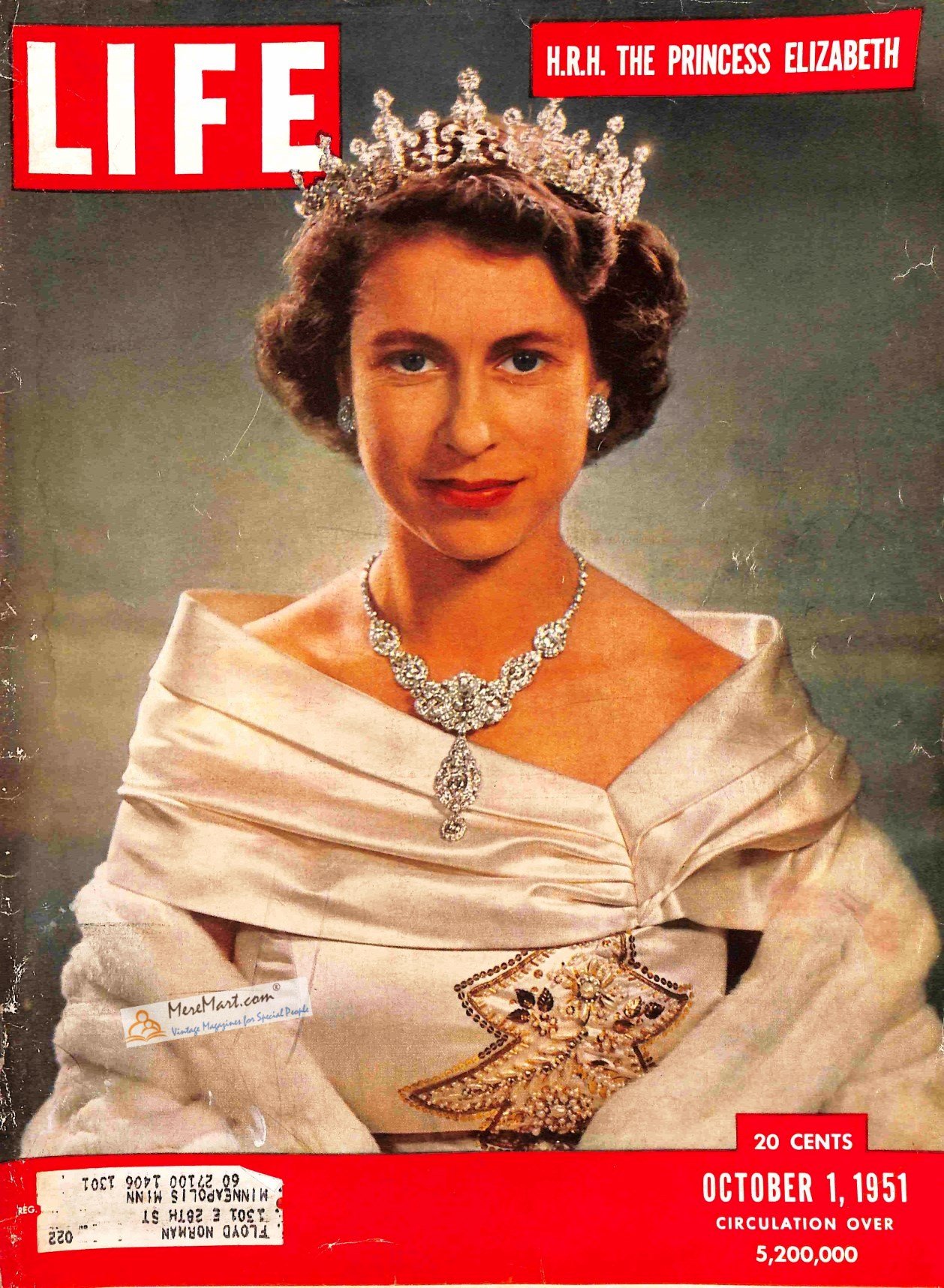
LIFE Magazine would continue it’s weekly format until 1972, at which time it switched to a monthly publication, which lasted until 2000 when it’s parent company, Time-Warner decided to shutter the publication due to declining sales and poor advertising revenue.
But during the magazine’s heyday, if anything you did, whether as an author or photographer, was published in LIFE Magazine, you knew you had made it.
LIFE Magazine had no shortage of A-list photographers such as David Douglas Duncan, Carl Mydans, Margaret Bourke-White, Alfred Eisenstaedt, and many others. Between them, some of the most iconic photographs of the 20th century were taken and published in the pages of the magazine.
Considering the profile of the work being published, you’d have to imagine that the people behind the scenes that brought these images to newsstands every week were under immense pressure and extreme deadlines.
In this week’s Keppler’s Vault, we take a look at a two-part article from July and August 1960 that takes a behind the scenes look at LIFE’s Photo Lab.
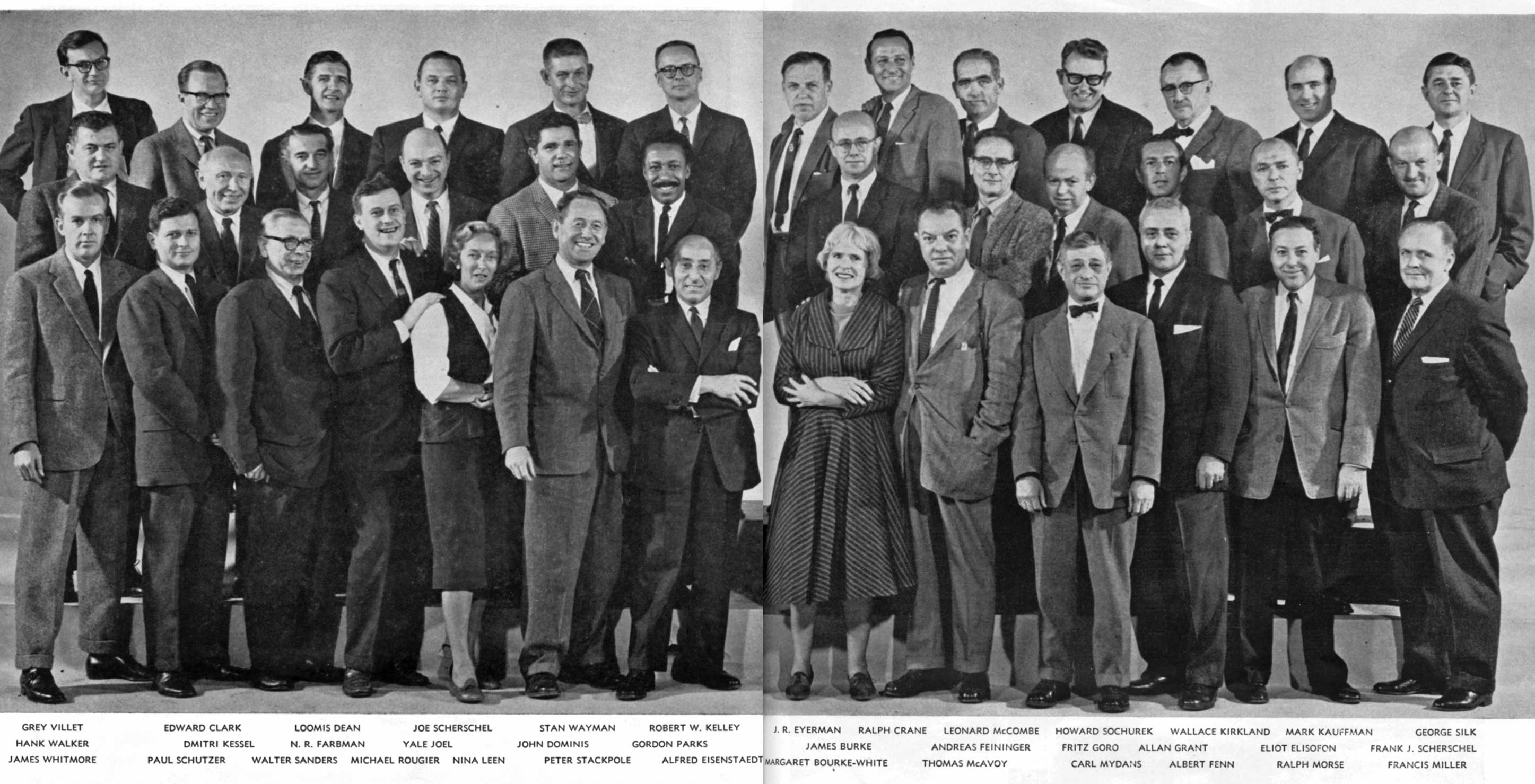
While I would never dream of discrediting the hard work of the men and women photojournalists out there today bringing to us up to the minute photos of world events as they unfold, the speed and convenience that the digital world affords us has eliminated countless positions that were once held by all the behind the scenes workers back when this article was written.
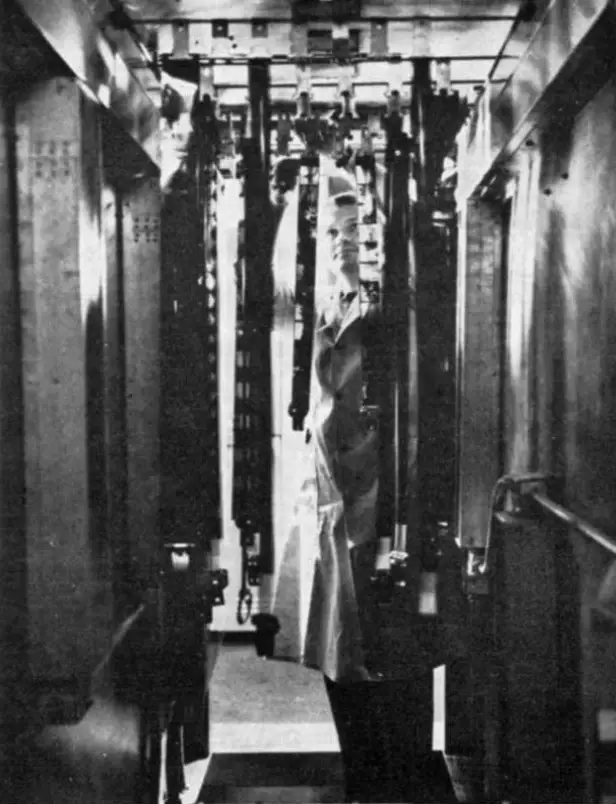
The photos that came through the LIFE photo lab were also used in Time and Sports Illustrated magazines as well, so a tremendous amount of choreography and organization that would have been required to handle all of the assignments, stories, and photos that likely came through this lab at a breakneck pace. What required 12,458 square feet of space back then likely could be accomplished by a couple people sitting in a cubicle in front of a computer today.
I found the descriptions of how the film was assigned numbers linking it to a story, then developed, inspected, contact printed, enlargened, and filed away to be incredibly fascinating. As much as I loved reading this article, I’d love to see a documentary that shows the entire process from start to finish.
In part two of this article, originally published in August 1960, we learn a little bit more about how LIFE handled color film. Looking simply at the layout of the building, the color lab had it’s own section in one corner of the entire facility. What I found interesting was their exclusive use of Ektachrome and Anscochrome slide files. There was no mention of any color negative or Kodachrome back in those days.
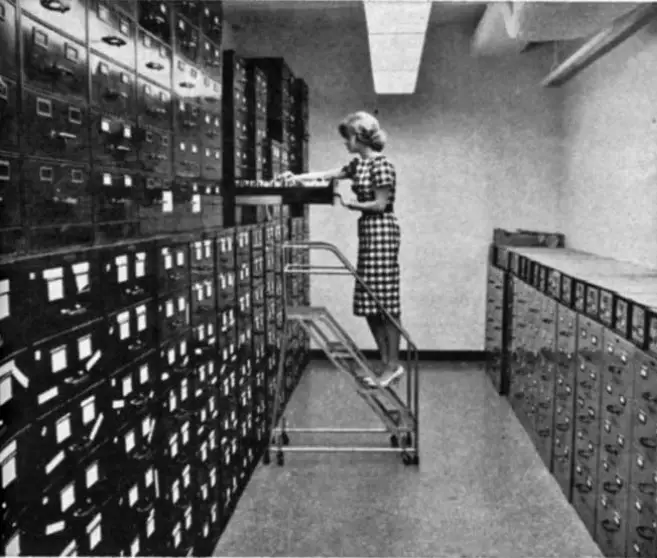
What impressed me most reading this article, wasn’t just the elaborate setup needed to process and handle the massive amount of black and white and color film that went through it, but the film room shown in image 9.
It hurts my brain at the number of historically significant images that must be stored in this room. I have to imagine this stuff was saved and still exists somewhere. If not in a warehouse owned by the current Time-Warner company, or possibly in a museum. If anyone reading this knows the fate of the LIFE photo archives, please let me know in the comments below.
You could argue that LIFE magazine would not have been as successful as they were without excellent writing, a knack for identifying and getting to stories before other magazines, or even just a little bit of luck, but I truly believe the talent of it’s photographers and it’s countless amount of photos is what elevated it to one of the premiere news publications of the 20th century, and the LIFE photo lab is where most of that magic happened.
All scans used with permission by Marc Bergman, 2020.
Nice coverage of a photography icon. I must admit though, the Associated Press and it’s photography department was an iconic operation also. I had 40 years invested in that department.
I could only imagine the impressive things you saw while working for AP over those years. If I ever find an old magazine article touring AP’s photo lab, I will definitely share it!
Yes, as we transitioned to digital, the photo lab was history by 1999. Don’t recall if we were as public faced as LIFE mag. You could reach out to the corporate archives dept.
Fascinating article. Sad, however, that a publisher archiving images would have chosen Anscochrome. Ansco’s slide films age poorly, losing color saturation over time. I shot a good bit of it during the early 1960s and stored the slides in the dark and low humidity. Just ten years or so later (still well within Life Magazine’s heydays) the images were fading. Today, they are so weak as to (likely) be beyond digital restoration. I realize that Ansco had the first fast 35mm ‘chrome film (ASA 500) but for daily use Ektachrome (or an Agfa emulsion) should have been chosen.